“ i see myself pushing the boundaries of storytelling and blending POV, documentary, and editorial approaches, and exploring new collaborations across the globe.”
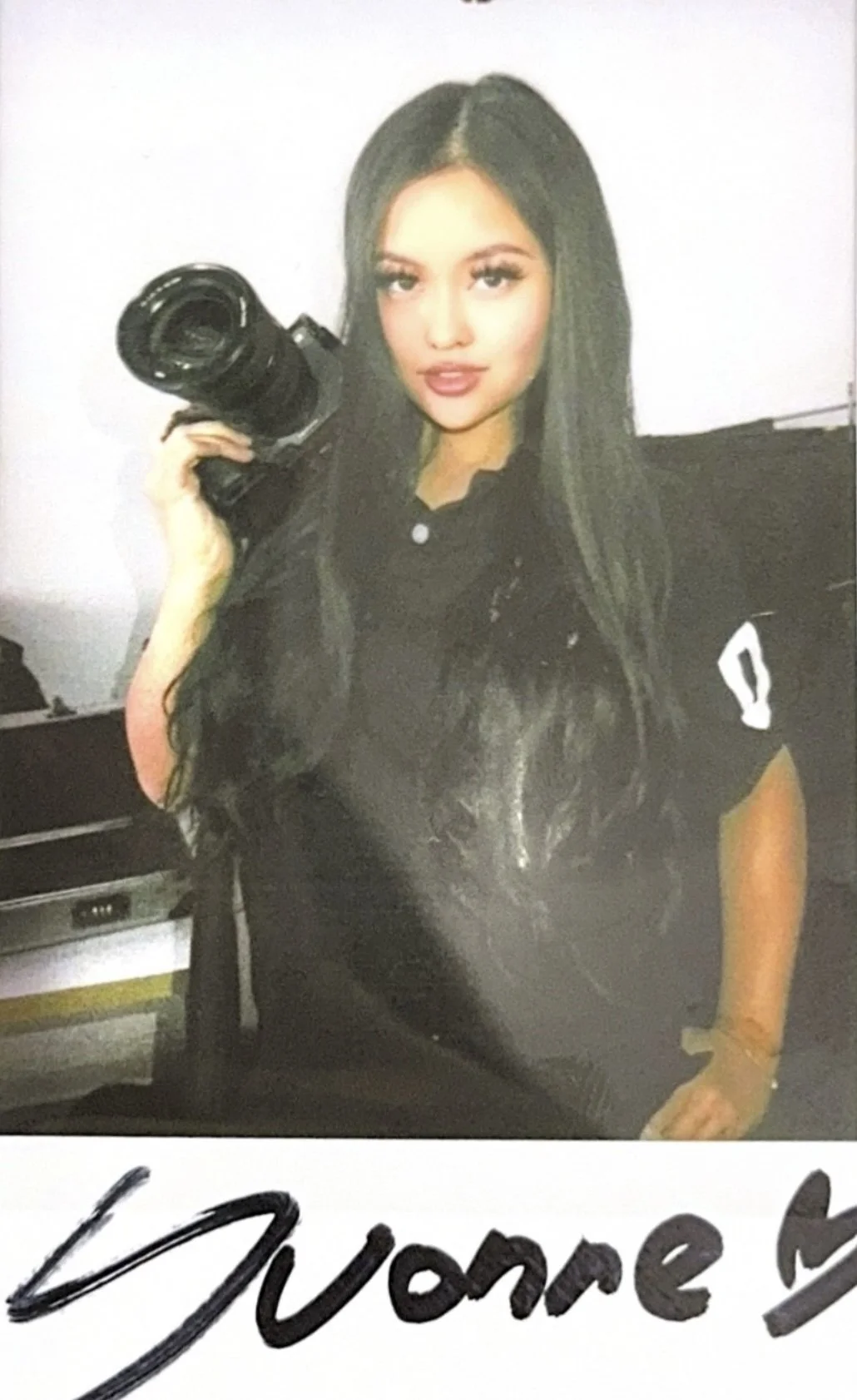
Working across film, photography, and live culture, this creative director documents the spaces where music, fashion, and art collide. With a lens shaped by experiences in New York, the UK, and Asia. Yvonne work centers on intimacy, movement, and the evolving voice of a global creative generation.
CF — Hey Yvonne, you work across video, photography, and film, how do you decide which medium a story lives in, or does the story choose for you?
YV — honestly believe the story chooses the medium before I do. Every story comes with its own tone, rhythm, and emotional temperature, and I try to listen to that first. Some ideas feel intimate and slow, others feel loud, polished, or kinetic and the medium naturally follows. For example, when I’m traveling or working in a documentary-style space, I’m mostly drawn to film. There’s a closeness and honesty to it the grain, the imperfections, as well as the limitation, that makes the experience feel more human and raw, almost like you’re standing right next to the person you are shooting rather than observing from a distance.
Film slows me down and brings me closer to character and environment. On the other hand, fashion campaigns and commercial work usually live better in digital film or video. The pace is way faster, the energy is sharper, and the format supports movement, precision, and scale. It aligns with the world those stories exist in where impact, clarity, and immediacy matter.
That said, I don’t see these choices as fixed. I think the relationship between story and medium is fluid. Sometimes the contrast is what makes the work exciting shooting something traditionally “polished” in a more raw way, or pushing a softer story into a bolder format. I like letting it evolve, staying open, and allowing the story to shift how it wants to be told.
CF — How did your time at NYU Tisch shape your creative voice, and what did it not teach you that you had to learn on your own?
YV — NYU Tisch played a huge role in shaping my creative voice by opening up the world of art for me in a very expansive way. Being surrounded by different artists working across so many different mediums pushed me to think beyond a single lane. I loved hearing people’s stories and seeing how differently each student expressed themselves. It made me more confident in trusting my own perspective while staying curious about others.
At the same time, Tisch didn’t fully prepare me for the realities of the industry. A lot of what I know now came from outside the classroom for example shadowing industry professionals, being on real sets, and learning through experience. That’s where I picked up the things you can’t really teach in school: how sets actually run, how to navigate creative dynamics, how to build relationships, and how important networking is. The combination of the creative foundation from Tisch and the hands-on lessons from the real world is what really shaped me.
CF— Your work lives at the intersection of music, fashion, and live events, what draw you to these spaces specifically?
YV— I’m drawn to music, fashion, and live events because they’ve been part of my life for as long as I can remember. I’ve carried a camera with me since I was a kid, and I studied A-level Photography in the UK, so image-making has always felt natural to me. I started with editorials and experimental shoots in high school, using photography as a way to play, explore, and build my visual instincts.
Everything shifted when I was 18 and got my first on-set experience shooting a music video. That world pulled me in immediately, it was more dynamic and collaborative than still photography, and it pushed me to think in rhythm, movement, and energy. From there, exploring the music video space felt like a natural next step.
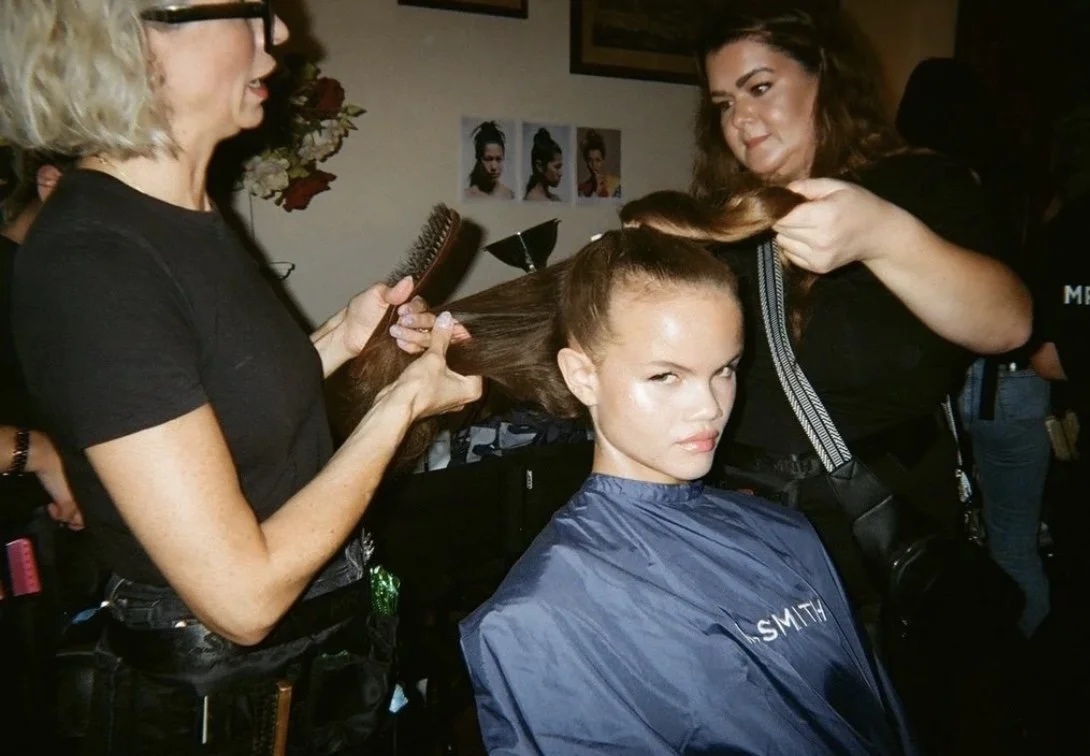
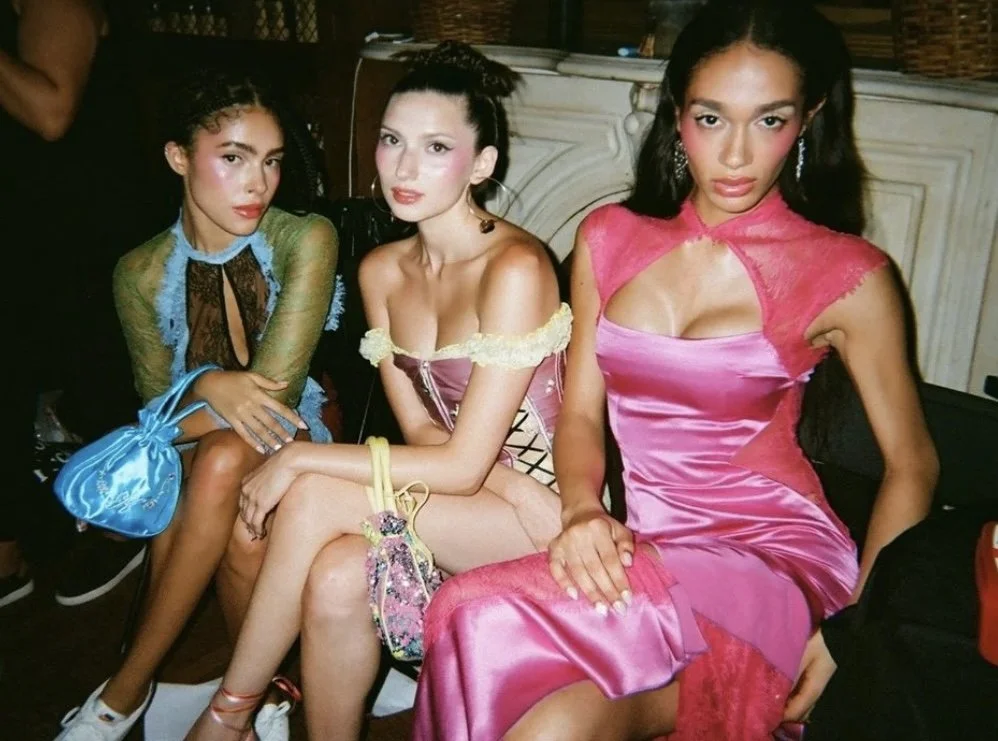
Fashion came into my work through hands-on experience at Fashion Week, where visuals, identity, and performance intersect in a really powerful way. Live events followed organically as well since I’m a DJ, so shooting large venues and artists I genuinely love feels personal. I understand the energy of those spaces from both sides, which makes capturing them even more exciting.
What really keeps me in these spaces is how much they overlap. Music, fashion, and live performance constantly feed into each other, and working at that intersection gives me the freedom to express my creativity in layered, experimental ways. It never feels one-dimensional , it’s a space where culture, movement, and storytelling all collide.
CF— What’s a project that felt like a breakthrough for you creatively, even if the outside world didn’t see it that way yet?
YV— A project that really felt like a creative breakthrough for me is an upcoming documentary I’m working on about Gen Z creatives around the world. It’s not something that’s fully out in the world yet, but internally, it’s been a huge shift in how I think about storytelling.
I’ve been connecting with creatives globally, from Tokyo, London, Paris, and Spain and each episode centers on the story of a friend. Whether they’re running underground events, touring internationally, building zines in Tokyo, or curating galleries between Paris and Shanghai, the goal is to highlight the global creative scene through the lens of our generation.
What makes this project special to me is the approach. Each episode is told through the subject’s POV and narrative voice, so it’s really about their world, their rhythm, their perspective, rather than a traditional, sit-down interview format. I want it to feel immersive and alive, like you’re moving through their day with them.
I’m focused on showing how Gen Z creatives are shaping culture across continents, blending underground energy with more art-driven spaces. On a personal level, it’s also been a learning experience for me, understanding different cultures, upbringings, and ways of thinking, and seeing how those elements directly shape each person’s work. It feels like a love letter to the raw talent, vision, and hustle of my generation, even if the outside world hasn’t fully seen it yet.
CF— As a creative director, how do you balance your personal artistic vision with the demands of clients, brands, or collaborators?
YV— Balancing my personal vision with client and collaborator needs really comes down to communication. Before every project, I make time for in-depth conversations with clients to understand where they’re coming from and what they’re trying to express. That dialogue is essential, it’s how I find the overlap between their goals and my own creative instincts.
From there, I build moodboards and share visual references early on, so we’re aligned before anything goes into production. It creates a shared visual language and makes the process more collaborative rather than transactional. We talk through different approaches, refine what works best, and always plan backup options so the project can evolve without losing direction.
Clients usually come in already aware of my style, but I think it’s just as important for me to stay flexible. As a creative, I don’t see adaptability as compromising my voice. I see it as shaping my style to serve the story and the project. That balance between staying true to my vision and being open to collaboration is what leads to the strongest work.
CF— New York City has a strong influence on creatives. How has the city shaped your perspective, work ethic, or aesthetic?
YV— New York City has shaped me deeply, both creatively and personally. Growing up between Shanghai and the UK gave me a global perspective, but New York is what really taught me work ethic. Everyone around me is constantly building, launching projects, experimenting, collaborating and being in that environment pushes you to show up every day and keep moving. In this city, hustle isn’t optional; it’s part of the culture.
New York also expanded my creative eye. The more projects I take on, the more open and curious I become as an artist. I’m endlessly inspired by my friends here and seeing how differently people express themselves, from traditional practices to more experimental, modern approaches, keeps my perspective evolving.
What I love most is that inspiration isn’t limited to “creative spaces.” Every interaction in New York feels like potential material. Even a conversation with my neighborhood shoe repair owner turned into creative fuel where he plays the flute. We started talking about his hometown, and now he’s about to be featured on one of my tracks, which is directly inspired by that conversation. That’s what New York does: it turns everyday moments into art, if you’re open to it.
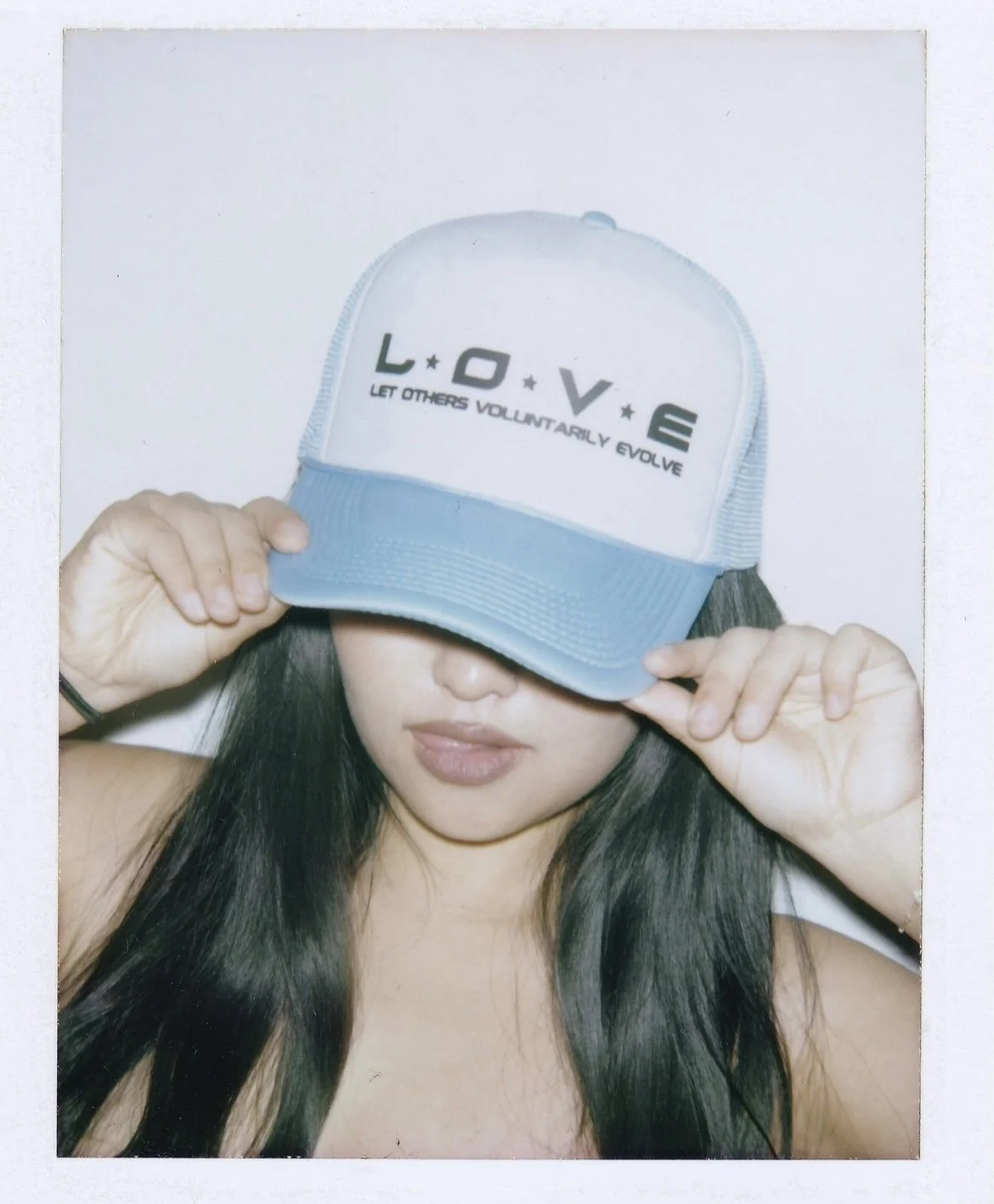
CF— What emotions or conversations do you hope people walk away with after experiencing your work?
YV— After experiencing my work, I hope people walk away with a sense of closeness. Especially with my documentary projects, my goal is for the audience to feel like they’re part of the piece, not just watching it, but existing inside it. I want the work to feel intimate and human, like you’ve stepped into someone else’s world for a moment.
I also hope it opens up conversations around culture and connection. A lot of my work blends different places, backgrounds, and perspectives, and I want audiences to feel that overlap and how culture shapes people, and how those differences can still feel deeply relatable. If someone finishes a piece feeling more connected to the people in it, and a little more curious about the world around them, then I feel like the work has done its job.
CF— In an era where content is everywhere, what do you think separates meaningful visual storytelling from noise?
YV— In a time where content is everywhere, I think what separates meaningful visual storytelling from noise is intention and honesty. A lot of content is made to be consumed quickly, but storytelling comes from actually caring about what you’re saying and why you’re saying it.
For me, meaningful work takes time where it is now time to observe, to listen, to understand the people or culture you’re documenting. It’s about perspective, not perfection. When something feels too polished without purpose, it can lose its soul. The stories that stay with you are the ones that feel real, personal, and grounded in lived experience.
I also think presence matters. When a creator is genuinely immersed in the world they’re capturing, not just passing through it for content, that energy comes through. Meaningful storytelling makes you feel something, even quietly, and that emotional connection is what cuts through the noise.
CF— What’s one misconception people have about being a multidisciplinary artist in today’s industry?
YV— One big misconception is that being a multidisciplinary artist means you’re spreading yourself too thin or not “specializing” enough. People often think you have to pick one lane for example photography, film, fashion, to be taken seriously. But for me, exploring multiple mediums actually strengthens my work. Each discipline informs the other: shooting a music video teaches me movement that I bring into editorial photography, working fashion campaigns sharpens my sense of composition and storytelling, and live events push me to capture energy in real time.
The truth is, being multidisciplinary isn’t about doing everything at once, it’s about understanding how different forms of creative expression can feed each other and amplify your voice. It’s challenging, but it allows for a depth and flexibility that’s rare in a single-discipline approach.
CF— Looking ahead, what kind of legacy are you trying to build and how do you want your work to evolve over the next few years?
YV— Looking ahead, the legacy I want to build is one that feels alive, layered, and human the kind of work that people can step into, feel connected to, and carry with them. I want my projects to exist at the intersection of music, fashion, and culture in a way that reflects the energy and curiosity of my generation, while still leaving space for the unexpected and personal moments that make art feel real.
Over the next few years, I want my work to evolve in how immersive and experiential it can be. I see myself pushing the boundaries of storytelling and blending POV, documentary, and editorial approaches, and exploring new collaborations across the globe. I want every project to feel like a conversation with the audience, not just something they watch, and for the work to keep evolving as my perspective evolves. Ultimately, I hope to leave behind a body of work that celebrates culture, connection, and creativity in its most raw and unfiltered form.